Battery storage — the strategic success factor for Europe’s energy future
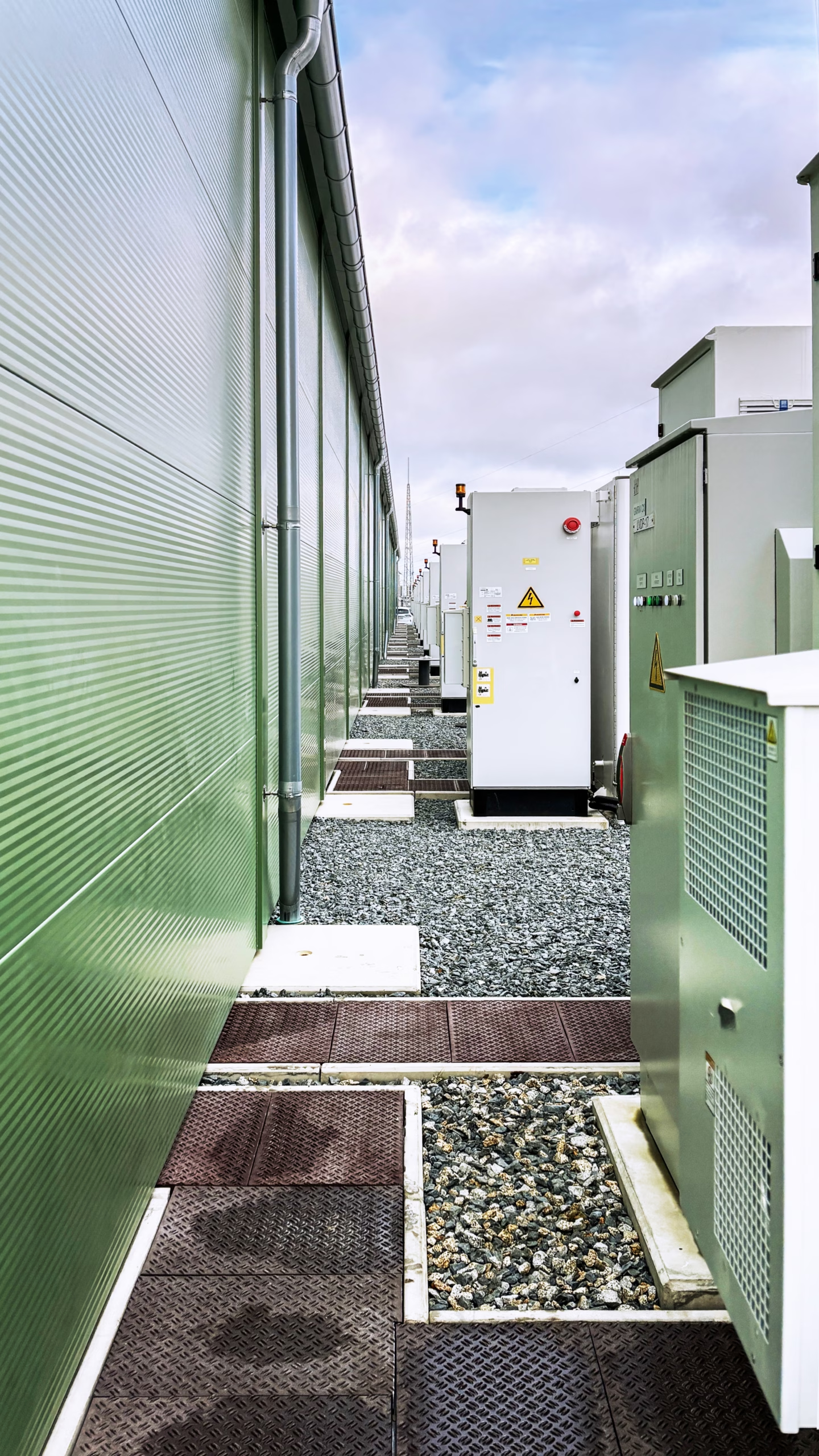
Die Energiewende ist in vollem Gange. Mit dem Ziel, bis 2030 den Anteil erneuerbarer Energien in der EU auf 42,5 % zu steigern 1, wächst die Herausforderung: Wie sichern wir die Stabilität und Flexibilität unserer Stromnetze bei immer mehr volatiler Einspeisung aus Wind und Sonne?
Batteriespeicher – der strategische Erfolgsfaktor für Europas Stromzukunft
Die Energiewende ist in vollem Gange. Mit dem Ziel, bis 2030 den Anteil erneuerbarer Energien in der EU auf 42,5 % zu steigern 1, wächst die Herausforderung: Wie sichern wir die Stabilität und Flexibilität unserer Stromnetze bei immer mehr volatiler Einspeisung aus Wind und Sonne?
Batterieenergiespeichersysteme (BESS) sind die Antwort. Sie speichern Strom, wenn er im Überfluss vorhanden ist, und geben ihn bei Bedarf wieder ab – ein entscheidender Beitrag zur Netzstabilität und Versorgungssicherheit 1. Laut PwC betrug die installierte Batteriespeicherkapazität in Europa Ende 2023 bereits 36 GWh – Tendenz stark steigend 1. Die Schweiz etwa verdreifacht 2025 ihre Grossspeicherkapazität auf 400 MWh 2.
Politisch wird der Ausbau aktiv gefördert: Die EU sieht Batterien als Schlüsseltechnologie für die Dekarbonisierung und Wettbewerbsfähigkeit 3. Auch nationale Strategien wie die des BMWK in Deutschland setzen auf Speicher als integralen Bestandteil der Energiewende 4. Erfolgreiche BESS-Projekte kombinieren technische Exzellenz mit wirtschaftlicher Tragfähigkeit – etwa durch Revenue Stacking, Teilnahme am Regelenergiemarkt oder Peak Shaving 2.
Fazit: Batteriespeicher sind mehr als Technik – sie sind das Rückgrat einer nachhaltigen, sicheren und wirtschaftlich sinnvollen Energiezukunft in Europa. Wer heute investiert, gestaltet aktiv die Stromversorgung von morgen.
Quellen: